

Cow Our Lifeline
In India, the cow holds sacred importance in Hinduism and is revered as a motherly figure, believed to embody 33 crore deities. Feeding cows is considered a divine act, bringing blessings and positivity according to Vastu and religious beliefs. Mythologically, Kamdhenu — the celestial cow — symbolizes prosperity and fulfillment of wishes.
At Jacobs Welfare Trust, we are dedicated to providing cows with shelter, clean water, and nutritious food despite limited resources. Cows play a vital role in human life — offering milk, aiding in farming, transportation, and even contributing to natural medicine and environmental balance. Truly, the cow is the backbone of Indian agriculture and a symbol of compassion, sustainability, and nourishment.
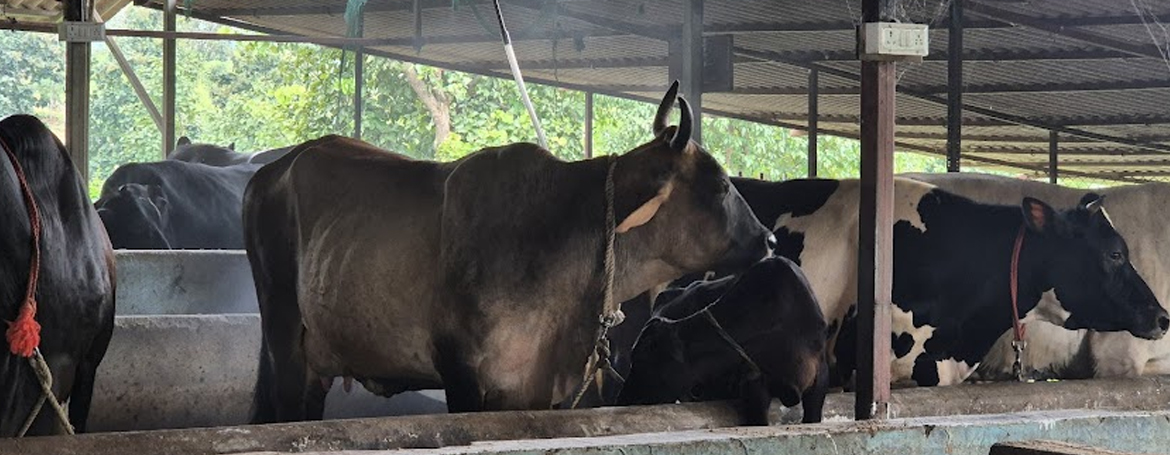
Cow Milk & Ghee Benefits
- Cow milk and ghee are highly nutritious, supporting overall health and development.
- They strengthen bones and teeth, boost brain growth in children, improve heart health, and enhance immunity.
- Regular consumption aids digestion, absorption of vitamins, and helps prevent diabetes.
- Rich in proteins, amino acids, vitamins (B2, B3, A), and natural antioxidants
- Reduces ulcer and cancer risk, supports kidneys, and supplies vital proteins and amino acids.
- Cow milk is a natural source of Vitamins B2, B3, A, and antioxidants that enhance overall immunity and well-being.
Cow Dung Benefits
- Natural fertilizer: Natural fertilizer that enriches soil, improves crop growth, and promotes sustainable farming.
- Eco-friendly fuel: Can be used as biofuel, dried fuel cakes, or for sustainable energy production,
- Pest controNaturally repels insects and pests in fields, protecting crops without harmful chemicals.
- SanitationTraditionally used for cleaning, flooring, and disinfecting homes in rural areas, promoting hygiene naturally.
- Biogas production: Generates renewable energy.
The value of cows in society has historically made them both revered and exploited, leading to meat consumption and slaughter. This prompted the Cow Protection Movement in 1882. The following reasons highlight why it is essential to ensure the ban on cow slaughter:
Cows deserve love, care, and protection for ethical, cultural, and environmental reasons. Safeguarding them also ensures health, safety, and the preservation of our traditions and values.
Moments from Our Gaushala
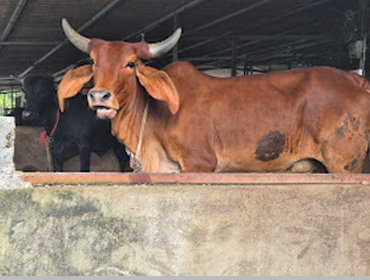
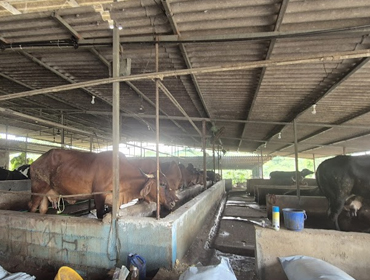
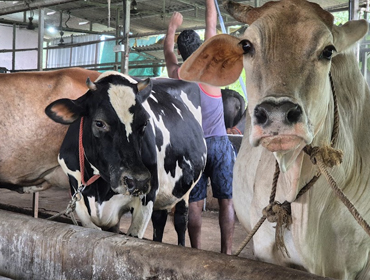
A cow has so many uses that one cannot get enough of it in a single life. Because even after death it is believed that the soul holds on to the tail of a cow and the cow gets the soul to cross the Vaitarni Nadi. In Hindu mythology, Cow is shown riding alongside a number of Gods, including Krishna, the cowherd God, and Shiva, who rides his Bull Nandi.
Humans are playing a large role in disrupting the ecosystem by indiscriminate killing of animals for their food & started to think that they can control the entire ecosystem by their actions and scientific advancement but they are unable to realize that the earth and it’s ecosystem has existed before humans were there and will continue to exist when they are gone.
The Founder Hon'ble Shri Peter Jacob, Smt. Chetna Sarviya and Smt. Renuka Kharche, a Transformation Pioneer, Social Reformer in Maharashtra. They guided many individuals, humanists, youth, and atheists, to walk the path of love and selfless service for establishing the vision "Vasudev Kutumbkam" i.e. one world, one family.